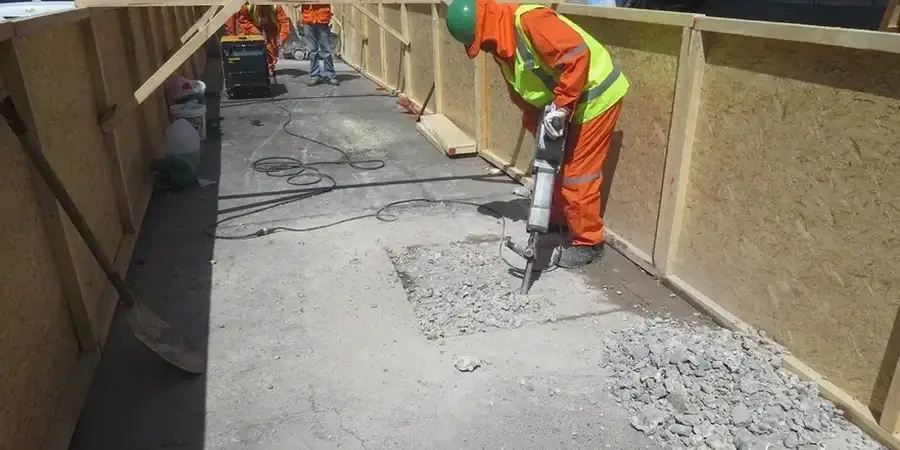
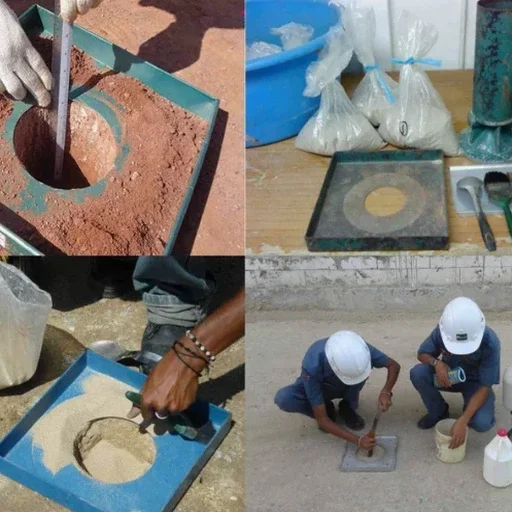
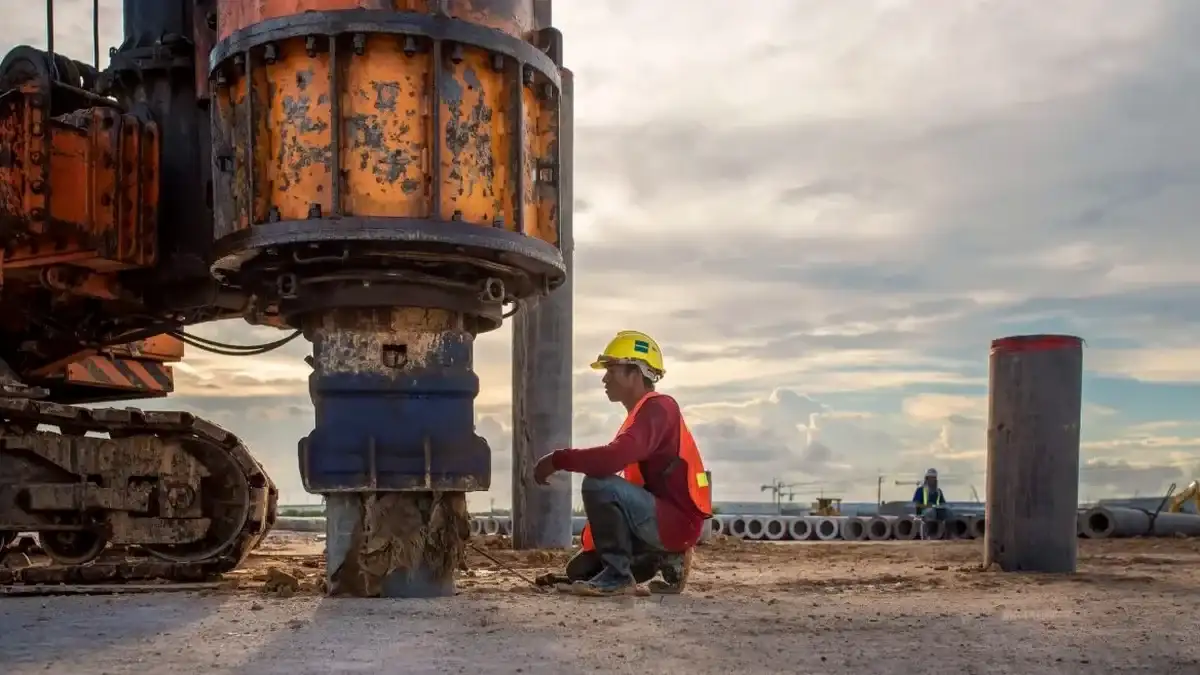
Pickering sits on the northern shore of Lake Ontario, where the geological boundary between glacial till plains and the Lake Iroquois shoreline creates sharply contrasting ground conditions. A borehole one kilometre apart can hit dense Halton Till or 15 metres of soft glaciolacustrine silts, and that difference changes how the ground shakes during a seismic event. Many engineers here still rely on the generic NBCC 2020 hazard maps, but those maps smooth out local site effects that a microzonation study captures. We run field campaigns combining MASW surveys and seismic refraction lines to build shear-wave velocity profiles down to bedrock, then overlay the data with geotechnical logs from SPT drilling to assign site classes under NBCC Table 4.1.8.4.A. The output is a set of ground motion amplification factors and liquefaction susceptibility zones specific to the Duffins Creek corridor and the Seaton development lands.
A microzonation map is not a substitute for a site-specific response analysis, but without one, you do not know where to drill.