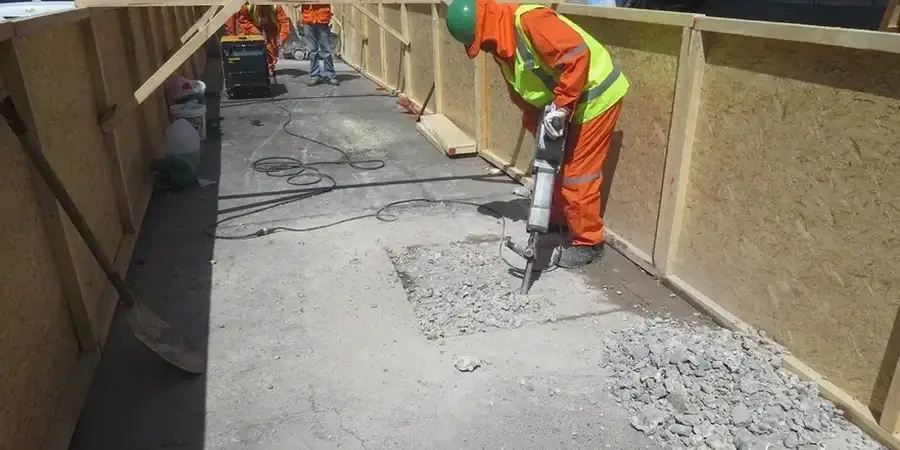
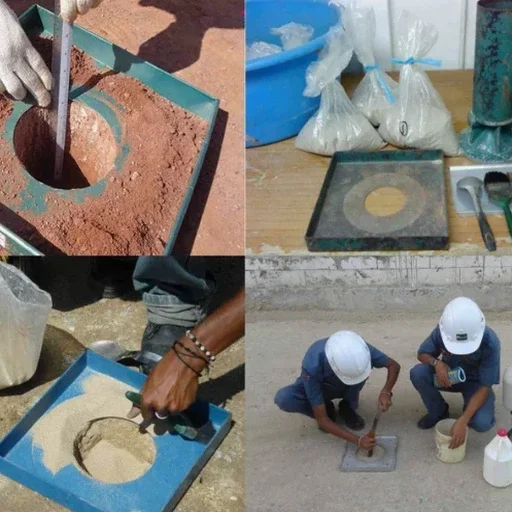
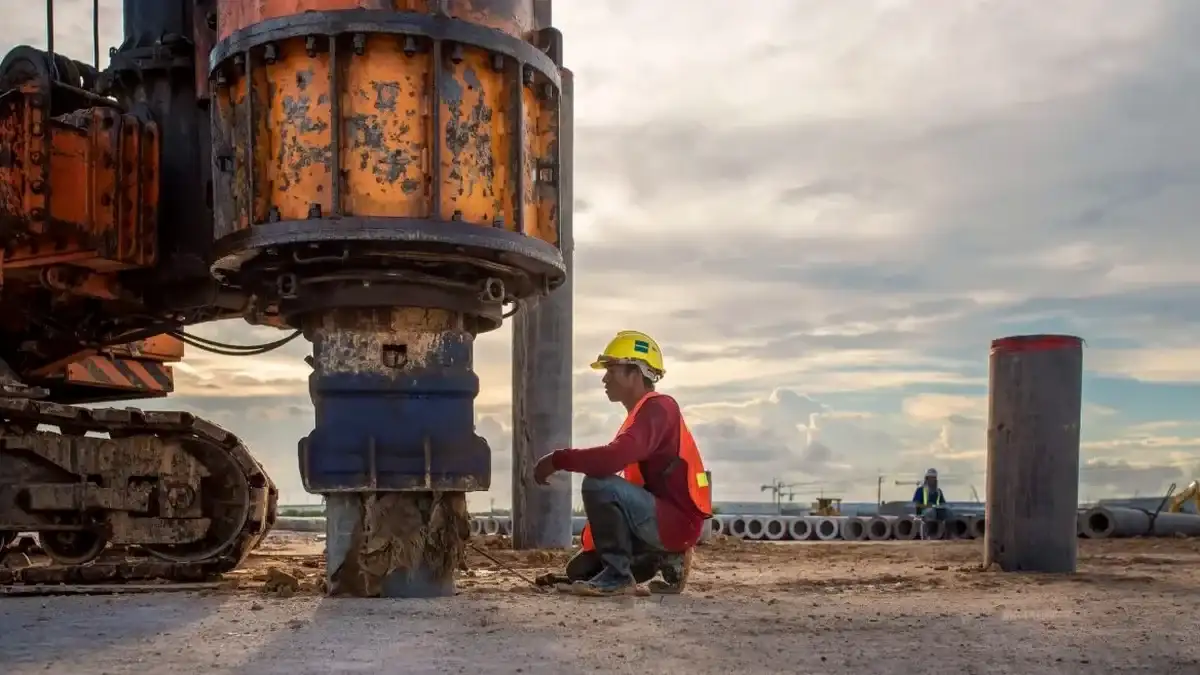
The soil profile changes fast when you cross from Pickering's lakefront plain into the Duffin Heights moraine. Down near Frenchman's Bay, we're compacting silty sand over glaciolacustrine deposits. Up on the ridge, you hit dense till with cobbles. Both need compaction verification. Both react differently to moisture. A nuclear gauge gives you a number in 60 seconds, but when the client asks for a defendable density value that stands up to Ontario Building Code review, we go straight to the sand cone method. It's slow, it's manual, and it's the most reliable field check you can get. In Pickering's mixed geology, combining the sand cone density test with a grain size analysis helps us catch a poorly graded fill before it becomes a settlement claim.
A sand cone test doesn't just verify a number. It tells you whether the compaction crew understood the soil they were placing that morning.