GEOTECHNICALENGINEERING
PICKERING
HomeFoundationsPile foundation design

Pile Foundation Design for Pickering’s Complex Glacial Soils

Sound ground. Sound decisions.

LEARN MORE

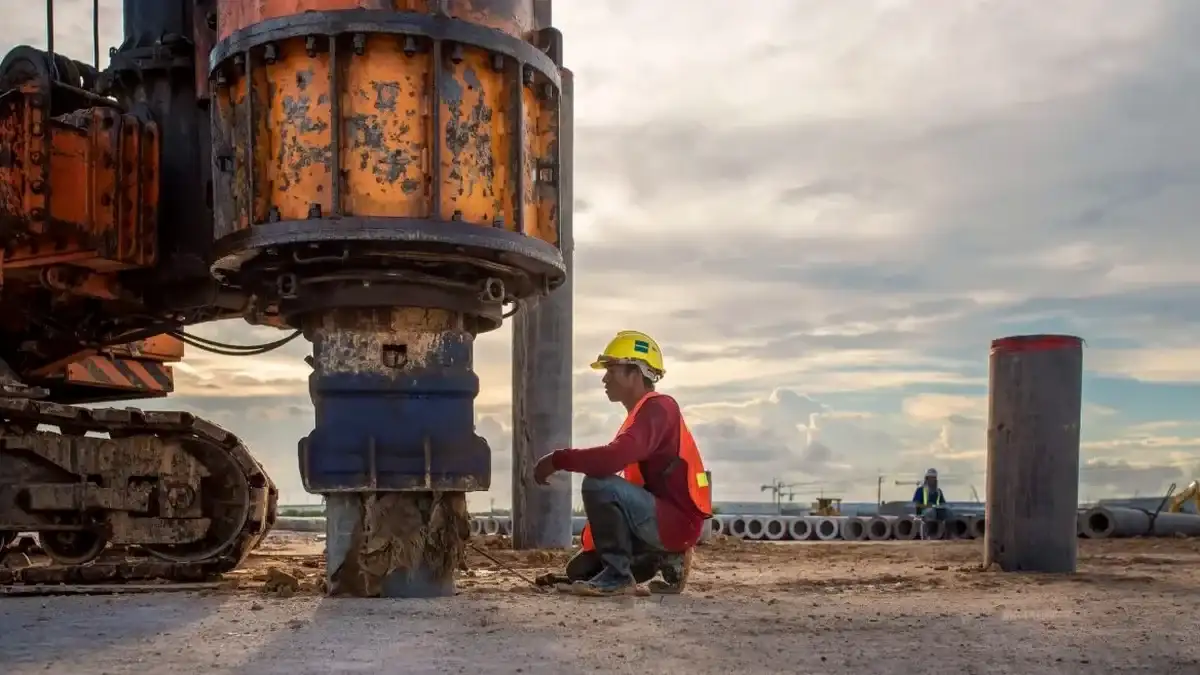
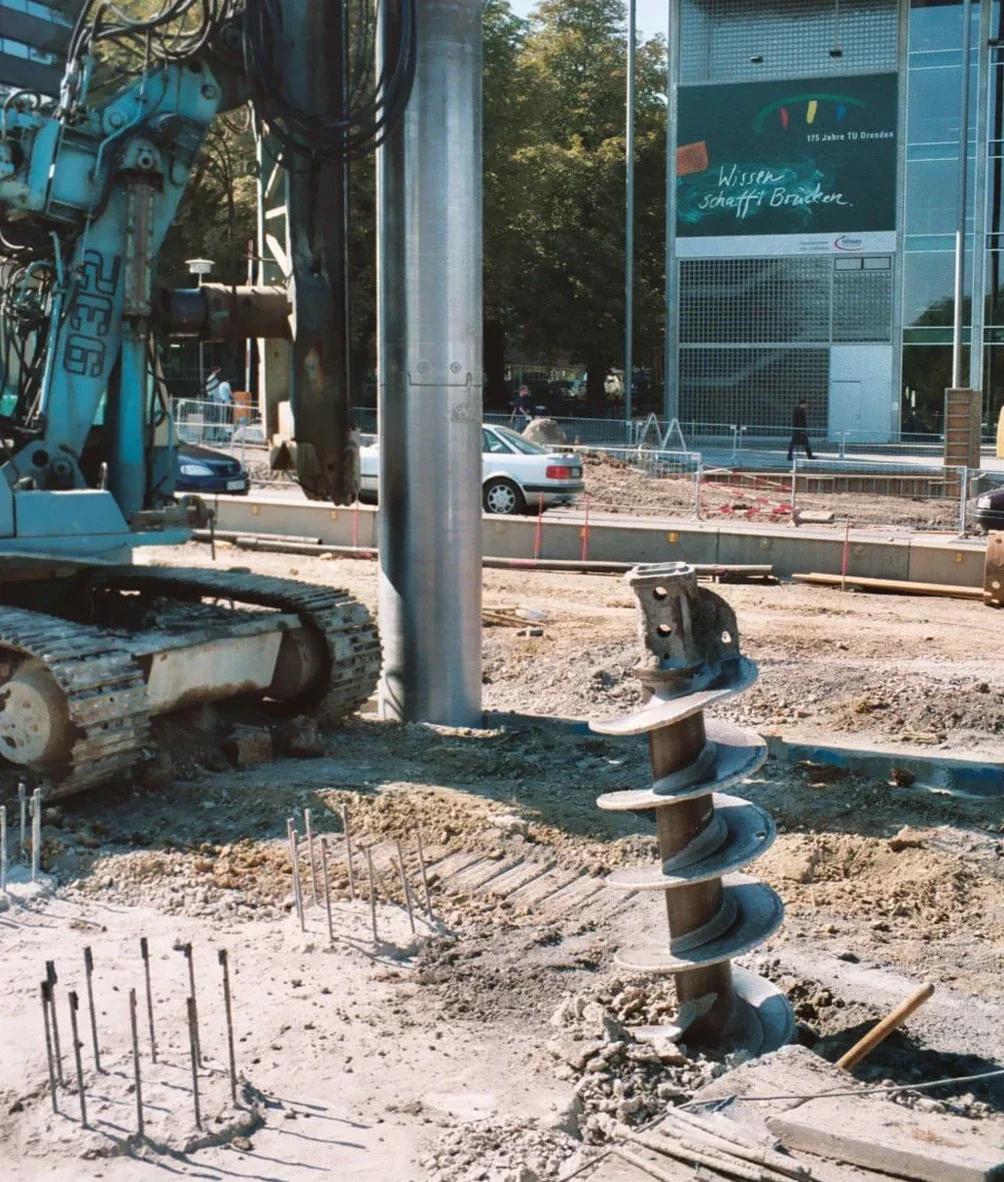
The first thing we mobilize on a Pickering site is a high-torque rotary drill rig. It has to cut through dense Halton Till—a hard-packed mix of silt and clay with stones—before hitting competent shale bedrock. We pair this rig with SPT hammers and downhole logging tools because the overburden here changes fast. One borehole might show stiff clay till, and the next one, thirty meters away, hits a sand lens. In Pickering, we need that direct data to size piles accurately. For projects near the Lake Ontario shoreline, we often combine the pile investigation with a CPT test to map soft sediment layers that SPT alone can miss.

In Pickering’s Halton Till, pile capacity is governed by setup time and pore pressure dissipation—not just the blow count at end of driving.
Our service areas

Our approach and scope

The most common mistake we see in Pickering is underestimating downdrag. A contractor will drive H-piles to refusal in the shale and assume the job is done. But compaction of the upper silt and clay layers—especially where fill has been placed near the 401 corridor—adds significant negative skin friction. We calculate this load precisely using the beta method and site-specific consolidation data. Pile capacity in the Duffins Creek watershed area also depends on groundwater fluctuations. We design for fully submerged conditions in spring, verifying shaft resistance with effective stress parameters. The bedrock surface here is irregular; we map it with seismic refraction before recommending socket lengths. Every pile group layout accounts for group efficiency reduction in the dense till matrix.
Pile Foundation Design for Pickering’s Complex Glacial Soils
Technical reference — Pickering

Local geotechnical context

The soil profile north of the 401 differs completely from the lakeshore communities. In the north, near the Oak Ridges Moraine, we deal with coarse sand and gravel overlying hard till. Piles drive fast and capacity comes from end bearing. South of Bayly Street, we encounter compressible organic silts and high groundwater. Here, friction piles need to be longer, and we often recommend a pre-augering phase to prevent heave. Ignoring this split in geotechnical behavior is the fastest way to a pile failure. We have seen piles in the southern zone lose 30 percent of their design capacity because the contractor used a driving formula calibrated for northern gravels. We use wave equation analysis (GRLWEAP) on every job to match the hammer energy to the specific soil column.

Need a geotechnical assessment?

Reply within 24h.

Email: info@geotechnicalengineering.co

Watch the video

Regulatory framework

NBCC 2020 (National Building Code of Canada), CSA A23.3-19 (Design of Concrete Structures), CSA S16-19 (Design of Steel Structures), ASTM D1143 (Pile Load Test Standard), CFEM (Canadian Foundation Engineering Manual, 4th Ed.)

Typical values

ParameterTypical value
Design standard for concrete pilesCSA A23.3-19
Seismic load provisionsNBCC 2020, Site Class C/D
Typical pile type in Halton TillDriven steel H-piles or drilled caissons
Bedrock depth range (Lake Ontario plain)15 to 45 meters
Lateral load analysis methodBroms or p-y curves (LPILE)
Minimum factor of safety (compression)2.0 to 2.5 (static), 1.5 (seismic)
Settlement limit for friction piles25 mm total, 15 mm differential

Quick answers

How much does a pile foundation design for a typical house in Pickering cost?

For a residential pile design in Pickering, our fee typically ranges from CA$2,040 to CA$7,320 depending on the number of piles, the complexity of the soil profile, and the need for a site-specific seismic analysis. This includes the full design package with construction drawings and a sealed engineer's report.

What pile type works best in Pickering’s Halton Till?

We typically specify driven steel H-piles for their ability to penetrate the dense till and seat into the shale bedrock. In areas with high groundwater and boulders, drilled caissons with a temporary steel casing are a better choice to control groundwater and verify the bedrock socket. We make the final recommendation after reviewing the borehole logs.

How do you account for frost depth in Pickering pile design?

We design pile caps and grade beams to extend below the 1.2-meter frost penetration depth required by the Ontario Building Code. For unheated structures, we also check the uplift capacity of the piles to resist frost heave forces in the upper clay layer.

Location and service area

We serve projects in Pickering and surrounding areas.

View larger map